Keep sensitive work close
Run selected conversations, knowledge, code, vision, and media workflows inside infrastructure your organization controls.

Private AI, where your work lives
Deploy OmniLore on customer-controlled hardware and run compatible local models for the work that should stay close to home. Keep data movement explicit, adopt newer models as they fit, and govern access through the same identity and workspace boundaries.
Run selected conversations, knowledge, code, vision, and media workflows inside infrastructure your organization controls.
Use local models for privacy, latency, or predictable capacity. Use an approved external provider only when the task calls for it.
Start with focused capacity, add workers for concurrency, and reserve larger hardware for heavier models or media jobs.
Customers can choose NVIDIA DGX Spark or a compatible NVIDIA GB10-based system from a partner manufacturer. The enclosure may change; the opportunity is the same: put serious AI capacity close to the people and data that need it.
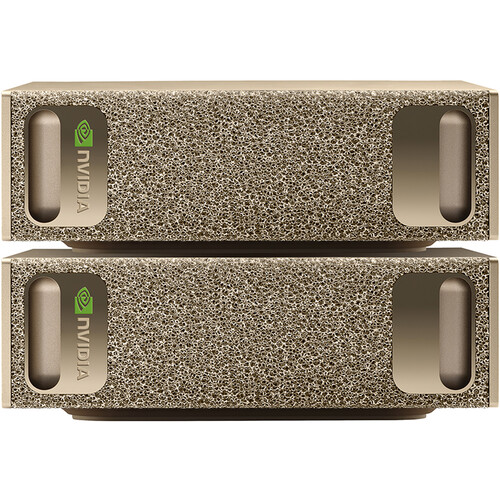
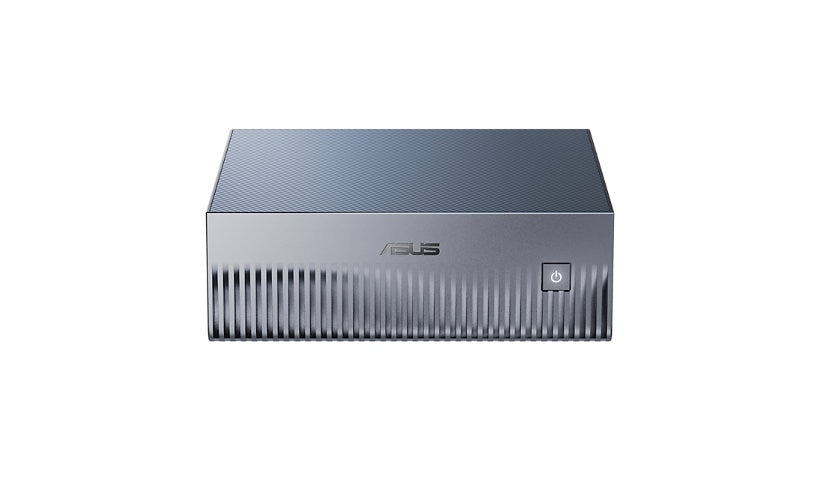
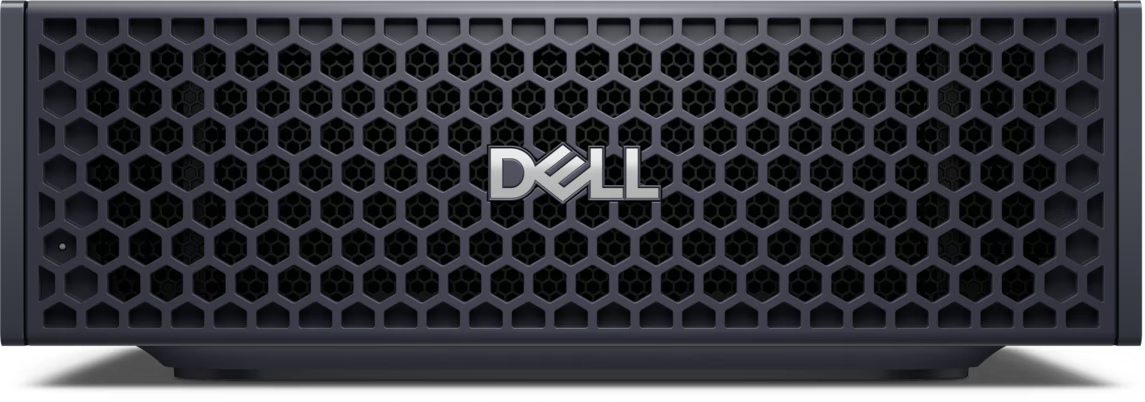
Deployment honesty: OmniLore deployment fit is assessed against the exact system, model catalog, context length, concurrency, storage, network boundary, and workload. NVIDIA lists additional GB10 system partners including Acer, GIGABYTE, HP, Lenovo, and MSI.
The model layer is replaceable by design. OmniLore can route different tasks to compatible reasoning, coding, vision, embedding, and media models instead of locking the customer to one provider or one release.
Model honesty: “Latest” changes quickly. The right model depends on quality, license, context length, speed, and hardware. OmniLore keeps the route and policy stable while the approved model catalog evolves.
A focused deployment does not require a hyperscale cluster. A modern server or workstation-class machine can deliver a surprisingly capable local experience when the model, context, and concurrency are sized to the work.
| Deployment shape | Planning profile | Good fit |
|---|---|---|
| Focused seat | 8+ CPU cores · 32–64 GB RAM · 1 TB NVMe · 16–24 GB GPU memory | Local 7B/8B chat, coding, vision, embeddings, and one active workflow. |
| Small team | 12+ CPU cores · 64–128 GB RAM · 1–2 TB NVMe · 24–32 GB GPU memory | 27B-class chat/coding with practical context, several members, and a separate media worker as needed. |
| Expanded capacity | 128 GB+ RAM · multiple GPUs or dedicated workers · 2 TB+ NVMe | 70B-class models, long contexts, higher concurrency, image generation, or video workloads. |
These are planning bands, not guarantees. Model quantization, context length, simultaneous users, and media workloads change the fit. A deployment assessment benchmarks the chosen models before hardware is purchased. Storage also needs room for model weights, indexes, logs, backups, and upgrades.
Local execution is part of the operating model—not a separate unmanaged shortcut.
Customer-controlled deployment can keep core processing close to the organization, but public routing, updates, web research, email, and optional connectors still use networks unless the deployment is deliberately designed otherwise. OmniLore makes those routes explicit so the customer can allow, restrict, or disable them.
Tell us your users, workloads, model preferences, and network boundary. We can shape a right-sized private deployment rather than selling hardware by guesswork.